
Module 4 · 25 min
Designing backwards from the decision
The inversion, and how to buy technology well.
Watch & reflect · optional
Using Evidence in Public Health Decisions: Why it Matters
National Collaborating Centre for Methods and Tools · External learning resource
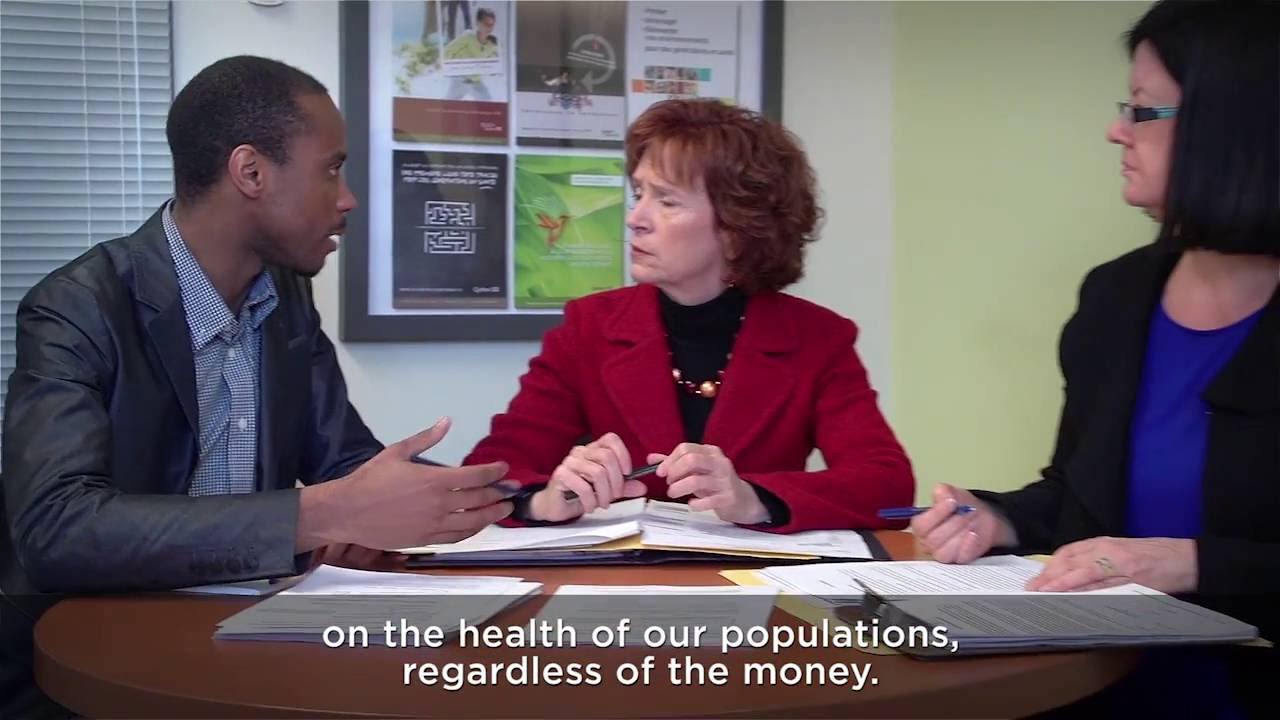
A short public health example of why evidence matters to decisions. It complements the decision back worksheet; it does not replace the work of agreeing a decision owner and deadline.
What evidence would change the judgement, and when must the decision maker receive it?
The conventional sequence, and why it fails
Collect everything → Store it → Visualise it → Hope someone uses it
Each step is competently executed. The sequence is still wrong, because the only step that produces value is the one left to chance.
The inversion:
Name the decision  →  Name the judgement inside it  →  Name the evidence that would
change that judgement  →  Build the minimum system that delivers it inside the window
Design in that order and the system is small, cheap and used. Design in the other order and it is large, expensive and admired at launch.
The so what test
For any indicator currently in your reporting, ask: if this number came back significantly different, what would we do differently?
Three possible answers:
- A specific action. Keep the indicator. It is evidence.
- "We'd look into it." Weak. What would you look into, and would you have the capacity? Usually this is an indicator in search of a purpose.
- Nothing, we report it because it is required. This is a compliance indicator. Keep it if you must, but do not let it occupy attention in a decision forum, and do not let a vendor charge you to make it beautiful.
Review each indicator with its intended user. Record whether it supports a decision, a legal reporting obligation or another justified purpose. Do not assume the same proportion should be removed in every institution.
Headlines that state the finding
This one is small, free, and changes how analysis is received.
A chart titled "District performance by median days to review" names a variable and leaves the reader to do the analysis. A chart titled "Two districts account for most of the delay, both lack a designated reviewer" states the finding and leaves the reader to make the decision.
The first is descriptive. The second is explanatory. The data is identical; the second one changes a meeting and the first one fills a slide.
The same discipline applies to colour: use it to mark the thing that carries the decision, and leave everything else neutral. A chart where seven districts are seven different colours has told the reader nothing about which one matters.
Minimum viable intelligence
Resist the urge to build the whole architecture. Pick the single most consequential recurring decision in your institution. Build the smallest thing that reliably informs that one decision, inside its window. Run it for two cycles. Then extend.
This sequencing matters for a reason beyond cost. A small system that changes one real decision creates demand, the people in that room start asking for the next thing. A large system launched all at once creates obligation, and obligation decays. Demand compounds; obligation is a thing people eventually stop meeting.
How to buy technology well
Most institutions will need a technology partner, and good ones are worth their fee. What follows is how to get the most from them. Take these questions into the procurement.
Before you write the specification:
- Which decision does this system serve, and who makes it?
- What is that decision's window, and can the system deliver inside it?
- What are the three numbers that would change the judgement?
- What is the smallest version of this that would change that one decision?
To the vendor:
- Which of our current indicators would you advise us to stop collecting? (A vendor who answers this well is worth a great deal. One who says "none" is selling you storage.)
- What happens to this system when the project funding ends?
- Who inside our institution will be able to change it without you, and what will you do to make that true?
- Show us a system you built three years ago that is still in daily use. (This is the single most revealing question in the list.)
In the contract:
- Acceptance measured by use in a real decision cycle, not by delivery of a build.
- Source, schema, documentation and administrative access held by the institution from day one.
- A named internal owner, in post, before the build starts, not recruited afterwards.
None of this is adversarial. A strong vendor will welcome questions 5 through 8 because they distinguish them from weaker competitors, and most of the frustration in these relationships comes from an unclear specification rather than from bad faith.
The tool
For one real decision in your institution:
Item 8 is the one people skip. A design that only adds is not a design.
The tool · Decision back worksheet
Saved on this device as you type. It comes back in your systems brief at the end.
Onetsa · The Decision Window · Module 4
Decision back worksheet
onetsa.co · info@onetsa.co
What to take away
- Design backwards from the decision, not forwards from the data.
- Most indicators fail the so what test; find the two or three that do not.
- State the finding in the headline; use colour for the thing that carries the decision.
- Build the smallest system that changes one decision, then extend.
- A good technology partner will welcome the hard procurement questions.
Check your understanding
Nothing here is recorded and there is no score. The questions are for you.